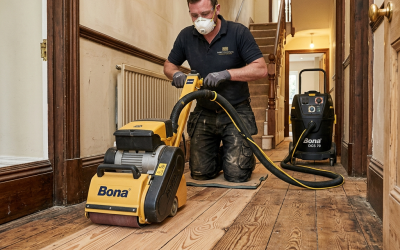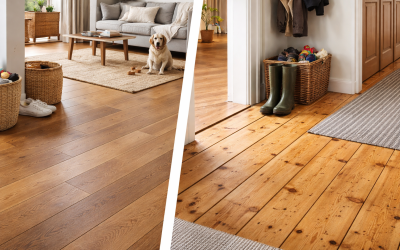

Floor Sanding in Edmonton: Choosing the Right Season for Better Drying Times
If you are planning floor sanding in Edmonton, timing matters more than many homeowners realise. Wood is hygroscopic, which means it absorbs and releases moisture as indoor conditions change. That affects how timber behaves during sanding, how fillers cure, how finishes dry, and how soon you can walk on the floor or move furniture back in. In practical terms, the best time of year for sanding is usually the period when your home can maintain stable indoor temperature, controlled humidity, and good airflow without extremes.
For most Edmonton households, that often means avoiding the most difficult moisture swings rather than chasing a single “perfect” month. A skilled contractor can restore floors all year round, but projects generally run more predictably when indoor conditions are consistent and the room is prepared properly before work begins. That is why local homeowners researching wood floor restoration in Edmonton should think about humidity, ventilation, heating patterns, and finish choice at the same time as aesthetics and price.
Quick Answer: When Is the Best Time to Sand Wood Floors?
The best time of year for floor sanding in Edmonton is typically during periods of moderate, stable indoor conditions, most often late spring and early autumn, when rooms are easier to ventilate and less affected by extreme damp or very dry central heating. That said, professional sanding can be carried out successfully in any season if moisture levels are checked, the subfloor is stable, and the chosen finish is matched to the environment.
The real goal is not simply “summer” or “winter”. It is achieving a controlled indoor environment where timber movement is manageable, filler bonds properly, and finishes cure at the pace the manufacturer expects.
Why Timing Matters for Floor Sanding
Floor sanding is not just about removing scratches and old coatings. It is a technical refinishing process that depends on the behaviour of the wood before, during, and after sanding. If conditions are too humid, boards may expand, finishes can dry more slowly, and curing windows can stretch out. If conditions are too dry, especially in heated winter interiors, gaps can appear more pronounced and timber may contract more than expected.
This is why experienced contractors do not begin with the sanding machine alone. They begin with inspection. That includes checking the species, the board width, previous coatings, subfloor stability, signs of damp ingress, and the current room environment. In Edmonton homes, especially older properties with suspended timber floors, moisture-content mapping and common-sense assessment of airflow are essential before deciding on grit sequence, gap-filling strategy, and finish system.
If you have already been reading about cleaner restoration methods, our guide to eco-friendly wood floor sanding in Edmonton explains why modern dust-controlled systems and low-odour finishes make planning much easier for busy households.
How Humidity Affects Timber Floors
Humidity changes the moisture balance inside the wood itself. When relative humidity rises, timber tends to take on moisture and expand. When humidity drops, timber releases moisture and contracts. That natural movement is one of the biggest reasons floor sanding projects need proper scheduling and preparation.
In practical terms, high humidity can contribute to:
- slower drying between coats
- longer curing times before full use
- a greater risk of swollen boards or raised grain
- delays in replacing rugs or heavy furniture
Very dry indoor air can contribute to:
- more visible gaps between boards
- increased movement after sanding if conditions change sharply
- filler stress in wider or unstable gaps
- a less representative result if sanding is done at an extreme seasonal point
That is why reputable wood-floor guidance places so much emphasis on keeping the building environment stable rather than letting timber swing between damp and over-dry conditions. For the homeowner, that means the “best” time is the season when you can keep the room calm, ventilated, and consistent.
Season-by-Season: Is There a Best Time in Edmonton?
Spring
Spring can be an excellent time for sanding because homes start to move away from the dryness of heavy winter heating. Windows can be opened more easily for ventilation, and rooms are generally comfortable to work in. The only caution is lingering dampness from wet weather and any unresolved moisture issues in ground-floor rooms, especially in older properties.
Summer
Summer often feels like the obvious choice because ventilation is easy and natural light makes it simpler to assess the floor. However, summer is not automatically best in every property. Periods of muggy weather can slow drying, and strong heat combined with open windows can cause inconsistent airflow if the room is unmanaged. Summer is still a good option, but it should be approached with the same discipline around airflow and product choice as any other season.
Autumn
Early autumn is often one of the most practical times to book floor sanding. Homes are usually not yet dealing with the full drying effect of winter heating, and temperatures are moderate enough to support reliable working conditions. For many Edmonton homeowners, this is the season that offers the best balance between comfort, scheduling, and finish performance.
Winter
Winter floor sanding is absolutely possible, but it requires more care. Central heating can make indoor air quite dry, which can emphasise board gaps and create sharper seasonal movement. On the other hand, if your home is well heated and humidity is managed sensibly, winter can still be a perfectly workable time for sanding. What matters is avoiding dramatic fluctuations such as cold, unheated rooms one day and intense heating the next.
The Real Priority: Stable Indoor Conditions
The best contractors focus less on the calendar and more on environmental control. Before sanding starts, the room should be weathertight, dry, and in normal lived-in conditions. That means no ongoing plaster drying, no fresh leaks, no unventilated condensation issues, and no attempt to rush curing by blasting heat directly at the floor.
For high-end wood restoration projects, this stability matters through every stage:
- Before sanding: timber movement needs to be assessed honestly
- During sanding: the floor must remain stable enough for accurate levelling and clean finishing
- After finishing: drying and curing must happen at a controlled pace
In practical terms, homeowners should aim for normal household conditions, steady heating, sensible ventilation, and no excess moisture events during the project.
Drying Times: Why Finish Choice Changes the Schedule
The finish you choose has a direct impact on how quickly the floor can return to service. This is one of the biggest reasons timing the job properly matters. Water-based lacquers are popular because they are durable, lower in odour, and generally faster to dry than traditional high-solvent systems. Hardwax oils remain a premium option for homeowners who want a more natural, repairable appearance, but they often demand more patience during curing.
Water-Based Lacquer Systems
Premium products such as Bona Traffic HD are often chosen for busy households because they offer strong wear resistance and faster return times. They are particularly useful where clients want reduced downtime for hallways, living spaces, or family rooms.
Hardwax Oils and Natural-Look Finishes
Products in the Osmo family are often chosen where the goal is a richer, more natural timber appearance with easier local repairability in future. They look excellent on Edmonton floorboards and parquet, but they need disciplined aftercare and realistic curing expectations, especially when humidity is high.
If you are also restoring timber surfaces beyond the floor, our article on worktop refinishing in Edmonton explains how drying, curing, and surface use can differ depending on the timber and finish system involved.
Typical Drying and Curing Expectations
Every manufacturer’s guidance should be followed exactly, but homeowners benefit from understanding the general difference between “touch dry”, “light use”, and “full cure”. These are not the same thing.
- Between coats: this is the waiting period before the next application can be made
- Light foot traffic: usually means careful use in socks, not full family life
- Full cure: the point where the finish has hardened properly and can better cope with furniture, rugs, cleaning, and normal wear
That distinction matters. A floor may look dry long before it is ready for rugs, heavy furniture, or damp mopping. If you rush this stage, you risk marking the finish, trapping solvent or moisture, or reducing the long-term performance of the coating.
Common Edmonton Situations That Affect Scheduling
Ground-Floor Victorian and Edwardian Rooms
Older homes can be especially sensitive to seasonal damp patterns. Suspended timber floors may sit above subfloor voids that react to outside moisture levels, ventilation quality, and historic repair work. In these homes, sanding should only go ahead once the contractor is confident the boards, joists, and subfloor environment are behaving normally.
1930s and Mid-Century Family Homes
These properties often have serviceable timber floors that can be transformed beautifully, but they may also show wider gaps, earlier filler failures, or patch repairs from previous decades. Seasonal movement needs to be considered before filling every visible gap indiscriminately.
Busy Hallways and Open-Plan Living Areas
If the room is a key route through the house, faster-drying systems may make more sense than oil-based alternatives. The best time of year for sanding these spaces is often when the household can comfortably stay off the floor for the necessary period without creating airflow or heating extremes that disrupt curing.
Practical Tips for Homeowners Before Booking
- Avoid booking during other wet trades. Fresh plaster, decorating, or building work can raise room moisture and complicate drying.
- Fix leaks and damp issues first. Sanding a floor before resolving moisture sources is false economy.
- Discuss finish choice early. The best-looking finish is not always the most practical one for your timetable.
- Keep household conditions normal. Do not overheat the room or try to force drying with extreme measures.
- Ask about moisture testing. Serious contractors should be comfortable discussing timber movement, room conditions, and realistic drying windows.
If your floor has already suffered neglect, poor DIY repairs, or reactive maintenance, our post on wood floor restoration tips shows why rushed decisions usually create more work later.
Best Finish Choices for Different Times of Year
There is no one-size-fits-all answer, but these general principles help:
- Need quicker return to use? A professional-grade water-based lacquer system is often the better fit.
- Want a natural, low-sheen look? A hardwax oil system may be ideal, provided you can respect the longer cure period.
- Working in a moisture-sensitive room? Inspection, moisture readings, and environmental control are more important than the season itself.
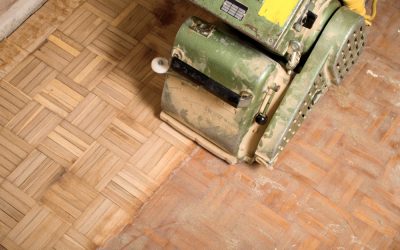
- Restoring parquet or heritage boards? Specialist sanding technique, correct grit progression, and stable conditions matter more than chasing the cheapest quote.
Our Recommendation for Edmonton Homeowners
If you want the smoothest project with the least stress, aim to book floor sanding in a period when your home can maintain moderate, steady indoor conditions and good natural ventilation. For many homeowners, that means spring or early autumn. But the true deciding factors are always the same: no unresolved damp, no building moisture, no wild temperature swings, and a finish system suited to the way you live.
That is the difference between a floor that merely looks good on day one and a floor that still performs properly years later.
Frequently Asked Questions
Can floor sanding be done in winter?
Yes. Winter sanding is perfectly possible when the property is heated consistently and indoor conditions are kept stable. The main risk is overly dry air from strong central heating and abrupt environmental changes.
Does humidity really slow drying times?
Yes. Higher humidity and lower temperatures can extend drying and curing times for many finishes, which is why product choice and room management matter so much.
Is summer always the best season?
No. Summer helps with ventilation, but muggy weather can still slow drying. The best season is whichever one lets your home stay stable and well managed during the project.
Should rugs go back as soon as the floor feels dry?
No. A finish can feel dry before it has cured properly. Rugs, heavy furniture, and wet cleaning should wait until the manufacturer’s full guidance has been met.
Book Floor Sanding in Edmonton with the Right Timing
If you are planning a sanding and refinishing project, the smartest next step is to arrange an assessment before choosing your date blindly. A professional inspection can identify moisture risks, subfloor concerns, board movement, and the most suitable finish for your timetable and property type.
At Edmonton Floor Sanding, we help homeowners choose the right season, the right finish, and the right preparation plan so the result is not just beautiful on completion day, but durable long after the job is done. If you want advice on drying times, finish options, parquet restoration, or original floorboard sanding, get in touch and plan the project around real site conditions rather than guesswork.